Evaluating the Bird Nest Embroidery Pattern for Business Branding
A First Impression for Small Business Branding
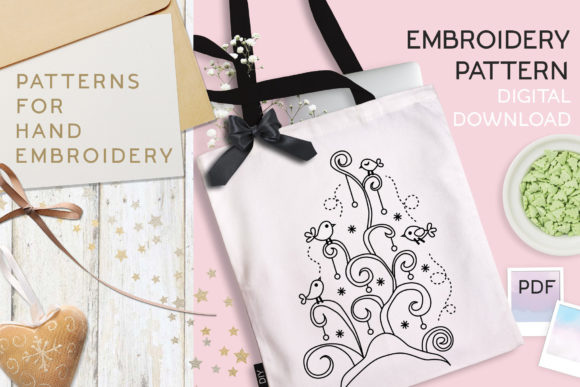
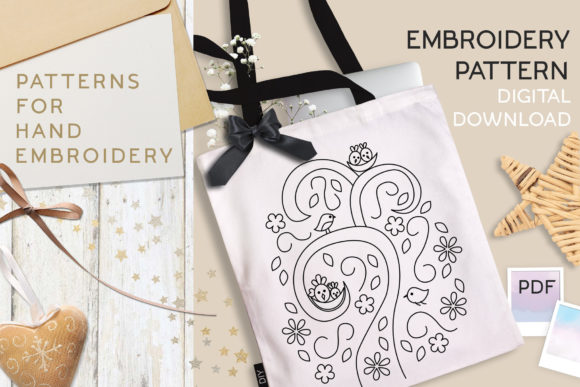
When a small business considers a design like the Embroidery Pattern Bird Nest for their merchandise, the first assessment is always about visual personality. From the description, "Bird nest on a tree. Whimsical embroidery pattern," the immediate feeling is friendly, rustic, and handmade. This is not a sleek, corporate logo. It's a pattern that evokes nature, care, and craftsmanship. For businesses like a local café, a boutique florist, a pet brand, or a creative studio, this can be a powerful asset. It communicates a handmade, personal touch that resonates with customers looking for authenticity.
Real-World Applications for Business Merchandise
The stated uses—"embellishing tote bag, book cover, pillowcase"—point to its versatility. But for a business owner, we need to think bigger. How does this embroidery pattern translate into professional, branded items?
Primary Branding & Uniform Applications
As a primary logo accent, it could be stunning on an apron embroidery for a bakery or café staff. Stitched on the chest or pocket, it instantly creates a cohesive, branded look. For a boutique, a smaller version on the sleeve of a staff polo shirt adds a subtle, elegant detail. On a custom apparel like a work shirt, it reinforces a brand identity rooted in nature and craftsmanship.
Merchandise & Promotional Products
This is where the pattern shines. Embroidered onto a tote bag, it becomes a sellable product or a premium customer gift. As a standalone embroidered patch, it can be applied to hats, bags, or jackets, offering flexibility. For an Etsy seller or craft business, using this as a design asset on product packaging or as a label accent elevates the perceived value of the handmade product.
Event & Community Engagement
Imagine this design on caps for a local garden center's event or on tea towels as a gift from a florist. It fosters community and brand recognition in a tactile, memorable way.
Critical Considerations for Production Quality
Transitioning a "whimsical" graphic into a high-quality machine embroidery design requires careful planning. The success of the finished product depends on these practical steps.
Scale and Placement Challenges
The intricacy of "bird nest on a tree" means detail. On a small patch size, like a cap front, the nest and tree branches could become muddled if the stitch density is too high or outlines are too fine. Cap embroidery on curved surfaces also demands a design that can adapt. It must be tested at the intended size. Similarly, on textured fabric like a canvas tote, the design needs robust outlines to remain clear.
Technical Execution for Durability
For items like uniforms or tote bags that need frequent washing, the stitch construction must be durable. This means reviewing thread color contrast for visibility, especially on dark uniforms. A key step is always testing on real fabric with the proper stabilizer. Creating a printable mockup for client approval is essential before any commercial embroidery run.
Integration with Brand Assets
The Embroidery Pattern Bird Nest shouldn't live alone. Before production, compare it beside your other brand elements—your main logo, typography, color palette. Does it complement them, enhancing visual consistency, or does it clash? This ensures it strengthens, rather than dilutes, your brand identity.
The Impact on Brand Identity and Customer Perception
Using this design is a strategic choice. It directly affects how customers perceive your business.
- Professionalism: A well-executed embroidery conveys quality and attention to detail, boosting customer trust.
- Product Value: An embroidered tote bag feels more premium than a printed one, increasing its perceived value.
- Handmade Presentation: For Etsy sellers or craft businesses, it visually reinforces the handmade story, deepening buyer engagement.
- Recognition: A consistent emblem on staff uniforms and merchandise makes your brand instantly recognizable in the community.
Essential Designer Notes Before You Stitch
As a professional, my final review always includes these actionable notes for any business using a pattern like this.
- Test in Black and White First: Simplify the digital embroidery file to see if the core shapes remain clear without color. This tests the foundational design integrity.
- Confirm the Commercial License: The product category is Hand Embroidery Patterns and Graphics. You must verify the license terms explicitly allows commercial embroidery and business use before any production.
- Check the Critical Specifications: The description does not list exact stitch count, recommended hoop size, or file format. You must obtain these details from the designer or file provider. They are vital for machine setup and estimating production time.
- Create a Physical Prototype: Never rely on a digital image. Hoop the design, stitch it on the actual fabric you'll use (apron cotton, cap mesh, tote canvas), and assess the result. This is the only way to catch issues with fabric texture or stitch density.
- Plan for Color Variations: Consider stitching it in your brand's accent colors versus natural tones. Each choice sends a different brand message—modern and bold or rustic and classic.
In conclusion, the Embroidery Pattern Bird Nest offers a compelling, nature-inspired aesthetic for small businesses seeking a warm, handmade brand signature. Its potential on aprons, tote bags, and as a custom patch is significant. However, its transition from a whimsical graphic to a robust embroidery file for business demands meticulous technical review and testing. By focusing on scale, durability, and brand integration, you can ensure this pattern becomes a valuable, professional asset on your merchandise, enhancing your identity and connecting authentically with your customers.