An Honest Review of Denim Ethnic Cross Stitch Embroidery
Let’s be honest: when you’re browsing for a new machine embroidery design, it’s easy to fall for a pretty preview image. But as an embroidery designer and product reviewer, my job is to look beyond that and imagine how a file will actually perform in real-life projects. Today, I’m thinking through the practical application of the “Denim Ethnic Cross Stitch Embroidery” design.
The First Impression: A Story of Textured Tradition
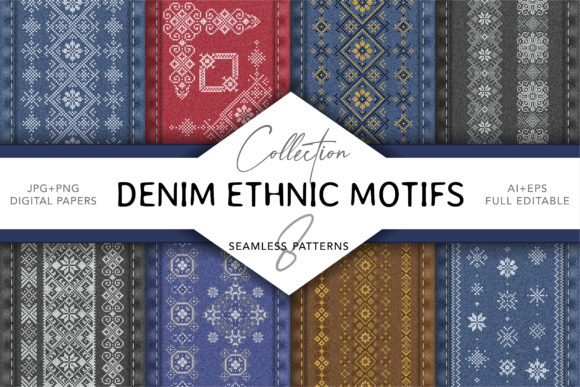
Opening this embroidery file, my immediate sense is of a grounded, tactile aesthetic. The “denim” and “ethnic” cues aren’t just trendy keywords—they translate into a visual mood that feels both sturdy and culturally rich. It’s not a flashy, modern graphic; it’s a design with a handcrafted personality. The layout suggests a traditional winter style, which gives it a cozy, heritage feel. This isn’t a design I’d use for a sleek tech logo; it naturally belongs to projects rooted in warmth, durability, and personal storytelling.
Where This Design Finds Its Natural Home
In my mind, I’m already picturing it stitched onto a heavy canvas tote bag for a craft fair, or as a standout feature on the back of a denim jacket in a boutique. The ‘winter style’ mentioned makes me think of holiday gifts—a beautifully embroidered pillow cover for a cozy living room, or a personalized wool blanket. For baby embroidery, it could be a charming, rustic accent on a nursery wall hanging, though I’d be cautious about using it directly on delicate baby clothes due to potential stitch density.
For creative entrepreneurs and Etsy sellers, this design offers strong potential for handmade products that tell a visual story. Think: custom aprons with a folksy charm, embroidered patches for collectors, or kitchen towels that feel like heirloom pieces. It elevates simple items into gifts with perceived heritage value, which can significantly boost buyer engagement in a crowded marketplace.
Performance on Real Projects: A Practical Walkthrough
So, how does Denim Ethnic Cross Stitch Embroidery hold up when the needle hits the fabric? Let’s consider a specific scenario: I’m preparing a custom embroidered sweatshirt for a client who wants a unique, winter-themed gift. The design’s traditional elements promise a beautiful result, but I’m thinking through the execution.
First, fabric texture is crucial. The “denim background” concept suggests this design is meant to complement or mimic textured fabrics. On actual denim or a thick sweatshirt fleece, the stitches will sit nicely, enhancing that handmade presentation. However, on a thin, stretchy t-shirt fabric, the potentially denser fill stitch areas might cause puckering or stiffness, affecting comfort and visual clarity. A proper stabilizer choice becomes non-negotiable here.
The Considerations for Commercial Success
For small business merchandise and apparel decorators, clarity and durability directly impact customer trust and product value. I would advise testing this design on scrap fabric first to review stitch density, especially on dark fabric backgrounds where thread color contrast needs to be impeccable. How do the small details hold up at a smaller hoop size? If you’re considering it for caps or curved surfaces, the design’s layout needs to be inspected for detailed corners that might get lost on a small area.
Products that need frequent washing, like tea towels or everyday tote bags, demand a robust embroidery file. Without knowing the exact stitch count or construction, I’d be cautious. A design with very dense satin stitch or running stitch areas might wear differently over time. Always stitch a test piece and give it a few wash cycles before committing to a production run.
Strategic Application and Careful Placement
This design’s visual personality is its greatest strength, but that also means it needs thoughtful placement. It’s likely not a tiny, subtle accent. It’s a statement piece. Therefore, on layered garments or items with busy patterns, it could clash. Its value shines on a clean, solid background where the ethnic cross stitch motifs can be fully appreciated.
For digital product sellers creating printable mockups or design assets, this file offers a strong, stylistic foundation. But the key is to show it in context. I’d create mockups on light and dark fabric backgrounds, and even in black and white, to demonstrate its versatility and help potential buyers visualize their final product.
Essential Designer Notes Before You Hoop
Before using Denim Ethnic Cross Stitch Embroidery for personal or commercial projects, here’s my checklist:
- Test, test, test. Run it on your scrap fabric that mimics your final product material.
- Contrast check. Review how your chosen thread palette interacts with both light and dark fabrics.
- Hoop size confirmation. Ensure the design’s scale is suitable for your intended hoop; don’t assume.
- Detail inspection. Zoom in and look at the smallest elements. Will they stitch clearly on your target item?
- Licensing clarity. This is paramount. Confirm the license terms before selling any finished product or digital product derived from this file. Does it allow for commercial embroidery use?
The Final Verdict: A Design With Character and Purpose
Denim Ethnic Cross Stitch Embroidery isn’t a generic, all-purpose graphic. It’s a design with a specific mood and a clear destination. For crafters and makers aiming to create products with a sense of tradition, warmth, and artisan quality, it’s a compelling choice. It can enhance brand consistency for a shop specializing in rustic or heritage-style goods, and it has undeniable giftability for holidays or personalized occasions.
Its practicality, however, hinges on your application. Match it with the right fabric, use adequate stabilizer, and respect its scale and density. When done correctly, it will stitch into a product that feels professional and thoughtfully made, engaging customers who appreciate depth and story in their handmade purchases. My recommendation is to embrace its character, but apply it with the realistic, careful judgment that every successful embroidery project deserves.