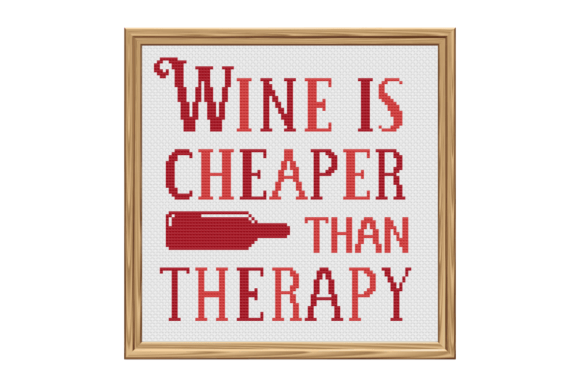
Wine is Cheaper Than Therapy Cross Stitch Pattern
First Impressions: A Warm, Witty Hug for Stitchers
The moment I opened this pattern, I knew it would be a holiday season workhorse. The phrase “Wine is Cheaper Than Therapy” lands with a smile, part confession, part cozy rebellion. As an embroidery designer who constantly thinks about what sells well at craft fairs, in Etsy shops, and as last-minute meaningful gifts, I’m drawn to designs that feel like a shared inside joke. This one delivers exactly that, wrapped in a style that’s equal parts rustic charm and modern sass.
The emotional tone is playful, comforting, and nostalgic. It doesn’t scream any single holiday, which is brilliant — it slips into autumn harvest themes, Christmas evening unwinds, New Year’s resolutions, Valentine’s Galentine gatherings, and even Mother’s Day bundles without missing a beat. The decorative style reads as approachable cross stitch lettering, the kind that looks handcrafted and heartfelt even before a single thread is pulled. It invites the stitcher to slow down, pour a glass, and turn stress into stitches.
For seasonal and holiday product use, this pattern hits a sweet spot. It’s not overly cute or juvenile; it’s cozy and sophisticated enough for a kitchen towel gifted to a wine-loving aunt, yet still cheeky enough for a best friend’s birthday hoop. I immediately pictured it framed in a small embroidery hoop ornament for Christmas trees, stitched on a throw pillow cover for winter hygge decorating, or adorning a canvas tote bag for a wine-tasting picnic. The versatility comes from the universal message — who doesn’t need a reminder that sometimes a glass of red is the most affordable self-care?
Seasonal Selling Power: A Calendar Full of Opportunities
When I build a seasonal product collection, I look for designs I can stretch across several months and multiple audiences. This cross stitch pattern is a gift bundle hero. I can easily imagine creating curated kits: the printed PDF, a hoop, needles, threads in deep burgundy and gold, and a bottle of wine from a local shop. That kind of pairing performs exceptionally well from November through February. For holiday craft fairs, a finished sample stitched on a kitchen towel or a quilt block draws crowds — the clever text stops shoppers and makes them laugh, which is half the sale.
On Etsy, this pattern can be listed not only as a digital download but also as a made-to-order finished product. I’d stitch it on oatmeal or natural linen and frame it in a simple wooden hoop for a handmade gift that feels personal and elevated. For Valentine’s Day, pairing it with a heart motif or swapping thread colors to pink and rose makes it romantically playful. For Christmas, deep greens and metallic copper thread turn it into a festive mantelpiece. Even a summer “Christmas in July” drop or a fall “Harvest Wine Trail” theme makes sense. The pattern’s blank canvas nature — the lettering style and any simple border or motif surrounding the text — allows endless thread color adaptations to match any holiday palette.
For apparel decorators, though cross stitch on clothing requires a waste canvas technique, the finished result on a sweatshirt embroidery project can go viral on social media. A cozy crewneck with this phrase stitched on the chest or sleeve feels like a bestseller. Similarly, tote bag design and pillow cover decoration become instant conversation starters. I’ve also seen similar patterns turned into adorable embroidered patch sets — stitched on separate fabric and then sewn onto jean jackets or wine bottle bags. The giftability factor multiplies because the end product doesn’t feel generic; it feels like the giver really “gets” the recipient.
Limited Edition Holiday Collections
I often release small batches of finished hoops right before Thanksgiving, and this pattern would anchor that collection. The trick is to stitch it in holiday-specific thread colors — think cranberry and ecru for Christmas, deep plum and silver for New Year’s Eve, blush and mint for spring celebrations. Because the text itself is timeless, the seasonal twist comes from the framing, fabric, and thread choices. For family matching items, I would not stitch identical pieces, but create a “bar cart” series where this design is the centerpiece, complemented by smaller wine glass motifs on coasters.
Practical Stitching Considerations for Holiday Sellers
Before adding this to your shop lineup, there are a few technical details every Etsy seller or small shop owner should examine. Since the product description is a downloadable PDF, you’ll want to confirm the included details: stitch count, finished size on various fabric counts, recommended thread colors, and whether the file works seamlessly with popular pattern-reading apps like Pattern Keeper. Always test stitch the design before offering finished products, even if you’ve worked with similar lettering patterns before.
Thread colors are your seasonal superpower. I recommend testing the main text and any decorative elements on both light and dark fabric. A cream Aida makes the text pop gently, while a navy or charcoal fabric gives a dramatic holiday evening vibe. For Christmas items, a subtle metallic thread blended into the lettering outline adds a festive shimmer without overpowering the design. Always check stitch density — if the lettering uses delicate backstitch or cross stitches that are too cramped, it can become illegible on textured fabrics. Confirm the hoop size required; smaller hoops (like 3 or 4 inches) may make the phrase too tiny to stitch comfortably, while a 6- or 7-inch hoop gives breathing room for framing and display.
Use proper stabilizer when stitching on functional items like kitchen towels or clothing. For kitchen towel embroidery, a tear-away stabilizer paired with waste canvas keeps stitches even and prevents puckering. For sweatshirt embroidery, a cut-away stabilizer ensures the design survives countless cozy washes. The fabric texture matters immensely: a loosely woven linen might distort fine lettering, whereas a tightly woven evenweave or Aida cloth keeps the crispness that makes cross stitch typography so satisfying.
Because this is a cross stitch pattern, not a machine embroidery design, you’ll need to prepare differently for mass-produced items. If you want to use this text on dozens of tote bags quickly, you might consider commissioning a digitized embroidery file from a reliable digitizer. However, for handmade charm, nothing beats the authentic cross stitch texture. Keep in mind that a digital embroidery file of a similar phrase might be available commercially, but always confirm licensing terms before selling finished products. For the hand-stitched route, there’s no confusion — you purchase the pattern, you stitch it, you sell your finished work (always verify the designer’s policy, but hobbyist-friendly terms are common in cross stitch).
Where to Use Caution with This Design
While this pattern is highly adaptable, there are a few places I’d recommend care. Small hoop sizes could make the lettering test the limits of your eyesight and patience, especially for holiday gift stitching marathons. Check the word count and layout — if the phrase is stacked into multiple lines, a hoop under 5 inches might force minuscule stitches. Tiny lettering on dark fabric with dark thread (like navy on black) can vanish entirely, so always contrast test.
Stretchy garments like ribbed knit beanie hats or performance tees are risky without advanced skills; cross stitch works best on stable woven fabrics. Curved caps and heavily textured items also make placement difficult. Finally, avoid metallic thread in the entire lettering block unless you’ve tested your sanity — small metallic cross stitches fray and tangle. A better approach is to add metallic accents only in any decorative border or a single star motif.
Thick towels with dense pile can swallow the stitches, so opt for tightly woven flat-weave towels or stitch on an insert of evenweave fabric that you later attach. Items that need repeated washing should have thread ends securely fastened and possibly a lightweight iron-on backing to protect the stitches. These precautions are especially important when selling finished goods — customer trust hinges on durability during the holiday season of use and spills.
Giftability and Emotional Connection
A holiday product without emotional resonance falls flat. This pattern creates an immediate connection because self-care and humor are currencies many shoppers crave. When I picture a customer browsing my booth, I see them picking up a towel or hoop with this design, laughing, and saying “This is me.” That recognition turns a casual looker into a buyer. For personalized gift ideas, you can add a small stitched name or the year in a matching thread below the phrase, elevating the piece into a keepsake.
In a climate where holiday spending can feel frantic, a design that promotes slowing down with a glass of wine is also a gentle nudge toward wellness. It’s perfect for a self-gift, a hostess gift for Christmas dinner, or a thoughtful token for a colleague. Because the pattern comes as a printable mockup potential (even though it’s a pattern, you can use the finished stitched photo in product listings), you can create styled images that show the finished product on pillows, aprons, or framed alongside holiday greenery. Those visuals increase giftability perception and customer confidence.
Brand Consistency and Holiday Visual Recognition
For small businesses building a seasonal email or social media campaign, this pattern works as a visual anchor. Use the same color palette and props across Instagram posts, Etsy listings, and your holiday product line. A row of stacked hoops with wine-themed patterns creates a cohesive brand aesthetic that shoppers remember. This design adds that slightly irreverent, relatable voice that makes your shop feel human.
Consider creating a printable mockup for customers who purchase the digital pattern — a styled photo they can share online to show what they’ll be stitching. It encourages word-of-mouth during the holidays when crafting communities are most active. Pair it with a blog post or social caption about stitch therapy, and you’ll see engagement rise. The phrase itself is a hashtag goldmine, sparking conversations about mental health, relaxation, and the joy of making.
Final Thoughts Before Adding to Your Holiday Lineup
Testing is everything. Stitch the pattern once in your planned holiday colorway. Photograph it on a pillow cover, a tote bag, and in a simple hoop. Check the stitch density is comfortable, the thread colours pop, and the hoop size lets the design breathe. Offer it as a digital download for DIY stitchers and as a finished option for shoppers who want instant Christmas magic. Adjust the listing tags to include “wine lover gift,” “cross stitch bar decor,” “holiday stress relief craft,” and “handmade hostess present.”
If you’re considering this pattern for commercial embroidery on apparel, remember to secure the appropriate license or create your own digitized version based on the text (which, as a simple phrase, may be designed independently). The pattern itself is a graphics-based download, so treat it as a stitcher’s roadmap rather than a ready-to-stitch machine file. The joy it brings, however, translates beautifully into any stitch form.
For your holiday season lineup, this pattern is a smart, heartfelt addition. It appeals across age groups, pairs seamlessly with gift baskets, and transforms ordinary home decor into a celebration of comfort and humour. I’m adding it to my collection with confidence, and I suspect once you stitch that first glass of wine, you’ll do the same.