Vintage Tulips Cross Stitch Pattern
A Designer’s First Glance at This Timeless Floral
When I opened the concept file for the Vintage Tulips Cross Stitch Pattern, I immediately pictured a soft cream linen tea towel draped over a farmhouse rack at a Saturday market. The title alone—with its nod to classic florals and vintage charm—tells me this design belongs in a booth that celebrates slow stitching, heritage craft, and giftable home décor. As a professional embroidery designer who builds product lines for craft fairs, I look for patterns that can bridge the gap between cross stitch purists and customers who just want something pretty. This one has that potential in spades.
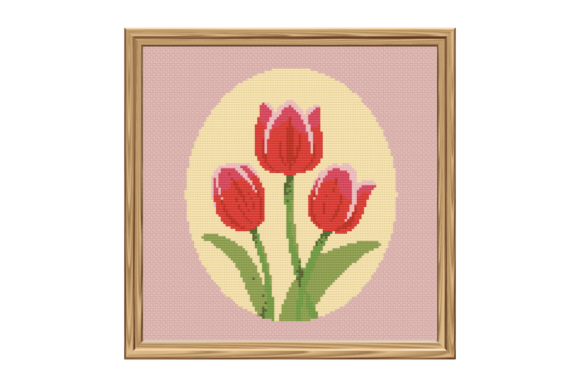
The phrasing “vintage tulips” suggests a bouquet with old-world appeal: graceful stems, softly rounded petals, maybe a few delicate leaves. It doesn’t feel loud or novelty-driven. Instead, it carries a quiet elegance that works beautifully for handmade items meant to be used and admired every day. Because the product is a digital embroidery file in PDF form with instructions, the actual stitch rendering will live in the hands of the maker—whether that’s a cross stitcher working with Aida cloth or someone like me who might adapt the design for machine embroidery.
Right away I note that this pattern has strong decorative potential. It’s not cutesy, not overly modern, and not minimalist to the point of boredom. It strikes a balance that many craft fair shoppers adore: a floral that feels both nostalgic and fresh, perfect for spring markets, Mother’s Day pushes, or year-round kitchen and boudoir accents.
Where Vintage Tulips Will Sell Best in a Craft Fair Booth
I always evaluate a craft fair product not just on how it looks on screen, but on how it will hang, drape, or sit on a display table under tent lighting. With the Vintage Tulips Cross Stitch Pattern, my mind goes straight to three high-traffic item categories: tea towel embroidery, pillow covers, and small framed hoop art.
A tea towel embroidery featuring this tulip motif would stop shoppers in their tracks. Imagine a flour-sack cotton towel with the design stitched in warm pink, burgundy, and sage green threads, maybe with a simple border. Tea towels are my number one seller at spring and summer fairs because they’re affordable, practical, and gift-ready. Pair that towel with a handmade soap or a wooden spoon, and you’ve just doubled your average transaction value.
Tote bag design is another strong fit. A natural canvas tote with a prominent vertical tulip spray climbing up the front face creates an understated but high-value bag. At my own booth, tote bags that look like heirloom pieces—the kind that might be mistaken for something vintage—routinely command $30–$45. The vintage vibe of this pattern would boost that perceived worth even further.
For lower price points, I’d explore embroidered patch versions. While a cross stitch pattern on Aida can be finished into a sew-on patch with a bit of fabric backing, the design could also be digitized as a machine embroidery patch that mimics the hand-stitched look. Patches sell fast when placed in a basket near the checkout area; they’re impulse buys that appeal to denim jacket customizers and bag personalizers.
I would also use this pattern for smaller home accents: a fabric pouch with a zippered top, a soft pillow cover with the tulip centered on one side, or a set of cocktail napkins with a delicate corner motif. Because the tulip theme is so versatile, it crosses over into kitchen, bedroom, and even nursery décor if the thread colors are swapped for pastels.
Production Realities for the Handmade Seller
Let’s talk about what it takes to turn the Vintage Tulips Cross Stitch Pattern into a reliable, repeatable handmade product. For pure cross stitch pieces, each finished item demands time. If I’m setting up a booth with hand-stitched tea towels, I need to be realistic about how many I can produce before the event. A design with dense florals might take a maker six to ten hours per towel depending on size and stitch count. That labor must be priced in, but it also elevates the final piece from “craft” to “artisan luxury.” Shoppers at high-end craft fairs recognize and reward that.
For machine embroidery adaptations, the pattern PDF becomes a reference asset. I would re-digitize the tulip artwork into an embroidery file that captures the cross stitch aesthetic using a specialty fill—maybe a cross-stitch effect built into my digitizing software. This gives me the same vintage look while slashing stitch-out time to under twenty minutes on a multi-needle machine. The trade-off is that I lose the pure handmade appeal, but I gain the ability to offer consistent, commercial embroidery products at a more accessible price point.
Repeatability is key. If I can produce ten identical tea towels in a week, I can build a cohesive collection that strengthens brand consistency. A table filled with matching finished product variations—a tote, a towel, a framed hoop—creates a boutique feel that pulls buyers in and increases basket size. The tulip pattern’s classic nature makes it easy to mix and match with coordinating items like solid linen napkins or plain aprons, making the booth look intentionally curated.
Size adaptability matters, too. I would test the design as a small accent (3–4 inches) for a patch or pocket corner, and as a larger focal piece (6–8 inches) for tea towel centers or pillow covers. The PDF instructions likely provide the original cross stitch dimensions, so I’d map those against my common hoop sizes before deciding which products work best. Without having the pattern details in front of me, I’d advise any Etsy seller or small shop product maker to note the stitch count and recommended fabric count, then calculate the finished size. That simple math prevents surprises later.
Booth Photography and Customer Attention
One of my biggest secrets to craft fair success is designing products that photograph beautifully. The Vintage Tulips Cross Stitch Pattern wins here. Floral motifs, especially those with a vintage feel, come alive under soft, warm lighting—exactly what you get in a tent or under track lights. The texture of cross stitch adds depth that flat prints can’t match. When a shopper sees a stitched tulip towel next to a screen-printed one, the embroidery wins the tactile battle almost every time.
For online listings, a printable mockup can give customers a realistic preview, but I always supplement with a real, finished piece photographed on a neutral background with natural light. I’d create a bundle of product shots showing the tulip design on a folded tea towel, draped over a bowl, peeking out of a market bag, and flat-laid with a sprig of fresh lavender. These design assets become gold for driving buyer engagement both at the fair and in an Etsy shop.
The pattern’s visual appeal leans soft and romantic, which pulls a specific emotional trigger. Shoppers who love farmhouse, cottagecore, or grandma-chic aesthetics will gravitate toward this design. I’ve learned to place such items at eye level, often on a riser or a small easel, and watch the crowd slow down. The vintage tulip becomes a conversation starter: “Oh, my grandmother used to stitch tulips like this!” That connection can convert a browser into a buyer faster than any sales pitch.
Critical Testing Notes Before You Stitch or Digitize
Before committing to a full production run, I always run a test stitch—whether by hand or machine. With the Vintage Tulips Cross Stitch Pattern, there are a few careful-use points any maker should verify.
First, inspect the design for stitch density and tiny details. Cross stitch patterns sometimes pack intricate backstitch outlines around petals or leaves. If I’m converting to a machine embroidery design, I must check those fine lines. On low-count Aida for handwork, they read fine, but digitized for a machine, they might turn into messy thread build-up. I’d run a sample on a piece of cotton that mimics my final fabric and adjust thread colors for high contrast—dark outlines against light background, or vice versa—so the tulip doesn’t get lost.
Small motifs can be a challenge. If the original pattern is meant for a 6-inch hoop but I shrink it to 2 inches for a patch, the petals might blur. I always confirm the minimum recommended size. The rule of thumb: any design with dense floral clusters needs breathing room. I would test at both 80% and 100% of the intended stitch area to see where detail holds and where it collapses.
Fabric texture directly affects the outcome. Thick fabric, like a canvas tote, requires a sharp needle and maybe a water-soluble topping to prevent stitches from sinking in. For textured towels—think waffle weave or terry—a heavy coating of cutaway stabilizer is non-negotiable. If I’m cross stitching by hand, I prefer an evenweave or tightly woven linen that won’t distort the tulip’s proportions.
Dark fabric demands extra attention. If I reverse the thread colors for a navy tea towel, I must be sure the leaves and stems don’t disappear. I always stitch a small section on the exact fabric and view it under both daylight and booth lighting before committing. And if there’s any small lettering or dates inside the tulip spray (sometimes vintage patterns include text), I triple-check readability. Tiny lettering is the first casualty of poor contrast or insufficient stitch density.
The curved cap surfaces so popular with embroidered caps are not a natural home for this design unless you significantly modify the layout. I’d steer clear of caps and stick to flat, stable surfaces. Backpacks, tote panels, and flat pouch fronts remain the safest bets.
Stabilizer and Hoop Insights for Machine Embroidery Makers
Because many craft fair sellers—including myself—use a hybrid approach with both hand and machine work, I always evaluate a pattern from a machine embroidery design angle as well. If I choose to digitize the Vintage Tulips Cross Stitch Pattern into an embroidery file, my stabilizer strategy would be medium-weight cutaway for tote bags and heavier woven fabrics, and a tear-away for tighter weaves like quilting cotton. For towels, I’d use a fusible polymesh to maintain drape without puckering.
A word on hoop size: I wouldn’t push this design into a hoop smaller than 4x4 inches, even at reduced scale, lest the petals lose their shape. I’d much rather use a 5x7 or 6x10 hoop and let the tulip breathe. The stitch density of the final file should be moderate—dense enough to look lush, but not so heavy that it distorts the fabric. I frequently run a pre-stitch test on a scrap piece of the actual production fabric to check thread tension and pull compensation.
The most crucial step, no matter how I produce the final piece, is to create at least one real mockup—not just a digital preview. A real stitched sample reveals color interactions, thread sheen, and tactile quality that no screen can convey. That sample becomes my booth sample that draws people in.
Commercial Licensing and Smart Production Moves
Whenever I download a pattern like the Vintage Tulips Cross Stitch Pattern, I immediately scan the included documentation for commercial use terms. The product description says it’s a PDF with instructions, but there’s no explicit mention of whether finished items can be sold. I never assume. Before I invest time in production, I contact the designer or check the license file. For commercial embroidery products and craft fair sales, I need a clear green light to sell the finished items. If the license is restricted to personal use, I either negotiate or pass.
Assuming commercial use is allowed, I treat the pattern as a valuable design asset. I like to build a mini-collection around it: one pattern, three product types, a cohesive color story. For a spring market, that might mean robin’s egg blue thread on natural linen, with matching thank-you tags. This repetition strengthens brand consistency and makes restocking easier. I also save time by batching: if I’m cross stitching multiple towels, I mount them all in hoops and work assembly-line style.
From an inventory standpoint, I also think about how the pattern works with scraps. Small leftover linen pieces become sachet inserts or gift tags with a tiny tulip motif. Every bit of stitched fabric can be upcycled into something sellable, which keeps my material costs down and my booth varied.
Final Verdict for the Craft Fair Booth
After evaluating the Vintage Tulips Cross Stitch Pattern from the perspective of both a hand-stitcher and a machine embroiderer, I’m confident this design belongs in a carefully curated craft fair booth. It isn’t a high-volume, slap-it-on-anything kind of pattern, but that’s exactly why it works. It invites the buyer into a story of quality, patience, and timeless beauty. The tulip motif feels premium without being pretentious, and it gives handmade product sellers a strong anchor piece around which to build an entire display.
If you take the time to test the thread colors, respect the scale limitations, and match the pattern to quality natural fabrics, the finished pieces will look like heirlooms. That’s the sweet spot where a craft fair transaction turns into a word-of-mouth recommendation. I’d happily feature the Vintage Tulips Cross Stitch Pattern on my booth’s hero table—the tea towel everyone picks up, the tote bag someone carries as free advertising, and the baby blanket a grandmother buys for a newborn. It’s a design that feels like it’s already been loved, and that emotional hook is what sells handmade.