A Warm Hug Counted Cross-Stitch Pattern: Cozy Apparel Review
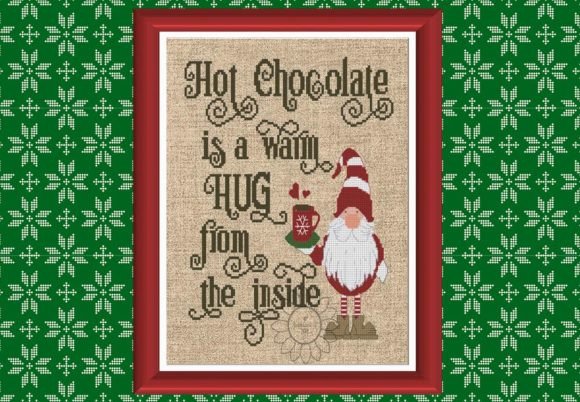
As an embroidery designer who regularly builds boutique sweatshirt collections, I’m always on the lookout for patterns that feel personal enough to stop a scroll and crisp enough to stitch cleanly onto fleece, French terry, or structured cotton. When I saw A Warm Hug Counted Cross-Stitch Pattern on Creative Fabrica, the name alone told me it was designed for that hot chocolate weather vibe. The description promises a winter favorite, perfect for Christmas gifts, and the sample imagery immediately clicked with the kind of handmade, heritage-stitch aesthetic that elevates a simple hoodie into a premium apparel piece.
This pattern wears its seasonal heart proudly. It’s not trying to be trendy—it’s aiming for classic, comforting, and gently nostalgic. The visual personality lands somewhere between rustic farmhouse charm and cozy storybook illustration. You get the sense of texture, warmth, and softness, which translates beautifully to apparel that people want to reach for on chilly mornings. For small clothing brands, Etsy sellers, and custom embroidery shops, that emotional cue matters because it helps turn a garment into an experience. When a design whispers “warm hug,” you’ve already told the buyer exactly how they’ll feel in your product.
First Impressions: Mood, Detail, and Stitching Personality
The design immediately reads as cute but grounded. There’s a delicate balance between playfulness and simplicity that makes it feel handmade without looking juvenile. The layout is clean, the motifs are well-spaced, and the overall composition feels intentional—perfect for chest placement on a sweatshirt or as a charming back design on an oversized hoodie. From an embroidery designer’s perspective, the large print, easy-to-follow charts included with the files are a huge plus. You’re not squinting at tiny symbols; instead, you get a clear roadmap that helps you visualize thread color placement and stitch rhythm before you ever hoop fabric.
Because A Warm Hug Counted Cross-Stitch Pattern arrives as a digital file compatible with popular pattern apps, I loaded it into my markup tool and immediately started playing with color substitutions. The beauty of a counted chart like this is that you can recolor it on screen to test how pinks, oatmeals, deep aubergines, or icy blues might look against different garment colors. That alone saves hours of trial stitching and lets you mock up multiple apparel concepts quickly.
Why This Design Suits Sweatshirt and Hoodie Boutique Collections
When I plan a small sweatshirt run for a boutique drop, I’m thinking about three things: how the design sits on the body, how it photographs for lifestyle product shots, and how it holds up during wear and washing. This pattern, with its counted cross-stitch nature, offers a unique hybrid opportunity. If you’re a hand embroidery artist, you can stitch it directly onto a sweatshirt using waste canvas or soluble stabilizer, creating a true artisan piece. If you run a machine embroidery shop, the artwork can be digitized into a dense, textured fill stitch that mimics handwork—and that faux hand-stitch look is wildly popular right now on Etsy and at craft markets.
The shape and scale feel right for a left-chest placement on a classic crewneck, or centered slightly higher on a hoodie front pocket. For a more editorial look, I’d consider scaling it slightly and placing it across the upper back of a slouchy cardigan or on the sleeve of a denim jacket. The motif’s soft, rounded contours will follow the body’s curves naturally without the distortion worries that come with hard geometric lines. That makes it a safer bet for curved surfaces like shoulders or the top of a tote bag, where many embroidery designs start to ripple.
Garment Compatibility: Where A Warm Hug Counted Cross-Stitch Pattern Shines
I mentally tested this design across the typical apparel blanks my clients love: neutral oatmeal sweatshirts, pastel pink hoodies, dark charcoal t-shirts, and even washed black denim jackets. On light and mid-tone fabrics, the chart’s suggested thread palette—which appears to lean into gentle warm reds, soft greens, and creamy off-whites—will deliver a delicate, vintage look that feels like a hand-me-down treasure. On dark garments, that same palette will pop with surprising brilliance, but I’d recommend increasing thread contrast slightly so the details don’t disappear into the fabric.
Here are the garment types where this design feels most at home:
- Sweatshirt embroidery: Ideal for small-batch production. The motif’s density is manageable, and it won’t turn a lightweight fleece into a stiff board.
- Hoodie chest placement: The proportions work for adult unisex and women’s cuts alike. The design’s warmth pairs beautifully with ribbed cuffs and drawcords.
- Sleeve accents: A scaled-down version can add a subtle signature touch—perfect for building brand recognition.
- Tote bag design: Stitch it onto a canvas tote for a reusable gift wrap that becomes part of the present.
- Denim jackets: Cross-stitch-inspired embroidery on a denim back panel creates a tactile, unexpected detail that draws compliments.
- Oversized tees and loungewear: The soft, approachable mood makes it a natural for cozy seasonal outfits that sell well during holiday markets.
Practical Embroidery Designer Notes: Test, Tweak, and Trust the Process
Before you commit to a full production run, there are a few technical touchpoints to check. As someone who has learned the hard way, I always recommend:
- Testing on scrap fabric that closely matches your final garment’s weight and stretch. Fleece behaves differently than woven denim.
- Choosing the right stabilizer for stretchy or ribbed fabric. A cut-away stabilizer gives long-term stability on sweatshirt knits that will be pulled and washed repeatedly.
- Reviewing thread color contrast in natural daylight. What looks perfect on a screen may need one shade lighter or darker to read well against a particular dye lot.
- Confirming hoop size for your intended placement. If the pattern exceeds your largest hoop, you’ll need to split or re-digitize, so measure twice.
- Inspecting stitch density, especially if you digitize from the chart. Cross-stitch patterns often have small, isolated elements that require careful underlay and travel path planning to avoid thread breaks or puckering.
- Comparing placement options by pinning a printed paper mockup to the garment and photographing it on a model or dress form. That step alone eliminates guesswork.
Because A Warm Hug Counted Cross-Stitch Pattern is a digital pattern file and not a pre-digitized embroidery machine file, you’ll need to confirm how it fits into your specific workflow. The product page states files are compatible with digital pattern apps, and the charts are large print, easy to follow, and include color references. That means hand embroiderers can jump in immediately. For machine embroidery, you’ll need to either use the chart as a digitizing blueprint or treat the artwork as a graphic for printable mockups, heat-transfer vinyl, or direct-to-garment printing—always checking Creative Fabrica’s licensing and product details before selling finished apparel. I never skip that step, and neither should you.
Branding Through Cozy Storytelling
One of the smartest moves a small shop can make is building a recognizable brand identity around a consistent mood. This pattern delivers an instant feeling: a warm hug, a cup of cocoa, a quiet winter evening. When you stitch that onto a garment, you’re not just decorating fabric—you’re selling a piece of that feeling. Customers who buy boutique apparel are often looking for connection and comfort. A design that communicates warmth so directly can become a signature style that loyal buyers return to season after season.
From a product presentation angle, the design’s charm translates brilliantly into lifestyle photography. Picture a model wrapped in a scarf, holding a steaming mug, the chest embroidery catching soft window light. That image becomes your social media graphic, your Etsy listing hero shot, your printable mockup in customer emails. The design’s large print chart also means you can snap a photo of the pattern next to stitched fabric to show the handmade process behind your brand—a powerful trust booster for artisan-focused buyers.
Where to Be Mindful with Placement and Fabric Choice
While the design is forgiving, no pattern is immune to the realities of apparel engineering. I’d be cautious about very tiny lettering—if the chart includes any small text elements, test them at real size on a similar fabric to ensure legibility doesn’t vanish into plush fleece. Areas that stretch significantly, like side seams or tight-fitting ribbed cuffs, can distort stitched shapes, so keep the embroidery on more stable zones. Dense stitch areas should be balanced with an appropriate stabilizer, and I’d avoid placing the motif directly over a zipper or heavy seam unless you’re prepared for extra hooping challenges.
Dark garments, while dramatic, need slightly elevated thread contrast. If the included color palette is subtle, I’ll often swap one or two shades for brighter or lighter equivalents to keep the design crisp without losing its soft character. It’s a tiny tweak that makes a huge difference in the finished product.
Final Thoughts from the Design Table
As someone who lives for those moments when a garment goes from blank to boutique-ready, I can see A Warm Hug Counted Cross-Stitch Pattern earning a permanent spot in my winter collection toolkit. Its gentle personality, cross-stitch-inspired texture, and seasonal storytelling give it a versatility that works across multiple apparel formats and customer demographics. Whether you’re a digital seller creating printable mockups, a handmade business owner stitching one piece at a time, or a commercial embroidery shop digitizing for high-volume production, the design offers a heartfelt, flexible starting point.
The real strength of this pattern lies in how it makes people feel. And when you’re building a boutique brand, that emotional hook is the thread that ties together everything from your social media graphics to the final stitch on an oversized hoodie. Just remember to do your due diligence: confirm file compatibility, review Creative Fabrica’s licensing for commercial embroidery products, and always test on your specific fabric before committing to a full order. That way, when your customer slips on that sweatshirt and feels like they’re wrapped in a warm hug, every stitch will be exactly what you intended.